


Before we start: this is not a prescription
Let me save you the suspense. No book on this list will make you creative. Not a single one.
I know — strange opener for a reading list. But after 17 years of building brands, training creative teams, and co-founding an academy dedicated to creative education, I’ve earned the right to say this without it sounding like false modesty: books don’t produce ideas. You do. Books are, at best, the equipment in the gym. You still have to show up. You still have to lift.
What these 20 titles have been for me — at different points in my career — varies wildly. Some were crutches during seasons when I couldn’t generate anything without a framework to lean on. Some were workbooks I literally handed to teams on Monday mornings, with specific chapters marked for the week’s challenge. Some I read once, a decade ago, and can still feel their fingerprints on how I brief a campaign or evaluate a concept.
None of them were a silver bullet. Every single one was a reminder.
A reminder that creativity is not a mood. It’s not a talent you either have or don’t. It’s not the mythical “spark” that self-help culture has been packaging and selling since the 1990s. Creativity, in my operating experience, is three things stacked on top of each other:
A state — something you enter, not something you wait for. Like a musician warming up before a session, or an athlete stretching before a race. There’s a protocol. It’s repeatable. It works even on the days you’d rather do anything else.
A habit slash mindset — the decision to treat your ability to generate and evaluate ideas as a serious professional competency, not a personality trait. Engineers don’t say “I’m just not a debugging person.” Creatives shouldn’t say “I’m not inspired today.”
A rhythm slash discipline — the part nobody wants to hear. The best creatives I’ve worked with — across agencies, across countries, across disciplines — have harder processes than most developers. The difference? Their process isn’t optimized for predictable output. It’s optimized for the maximum probability of an unexpected one. That’s still engineering. Just with a different metric.
But we’ll get into all of that in future editions. For now — here’s the shelf.
This is my personal library on thinking, creativity, and the mechanics of ideas. I compiled it originally for IT professionals who wanted to think beyond their default information field, but it applies to anyone who makes decisions for a living. Which, if you’re reading this newsletter, is you.
Every annotation below is mine — not from the back cover. Every book I’ve either read deeply or used directly in work with teams. Deliberately different genres, deliberately different eras — from 1939 to 2024. Because if you only read people who think like you, you’ll only produce ideas that think like you.
The List
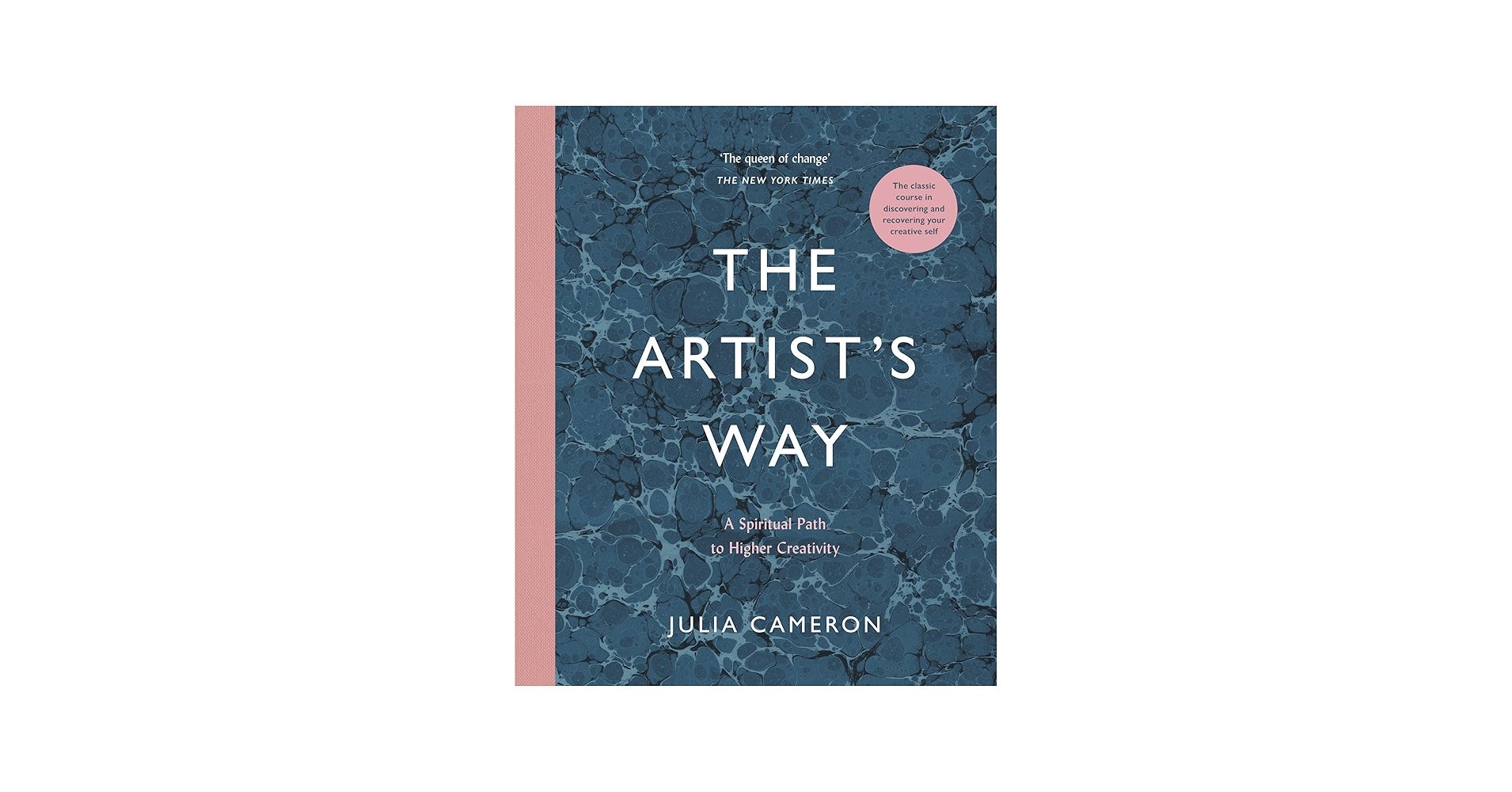
1. The Artist’s Way Julia Cameron • 1992
The book that launched the modern conscious creativity movement. Cameron built a 12-week program to unblock creative potential through “morning pages” and “artist dates.” Core premise: creativity isn’t a gift reserved for the chosen few — it’s a natural function that most people have simply locked behind fear and self-criticism. Works regardless of profession. I’ve seen it land with designers and with database engineers.
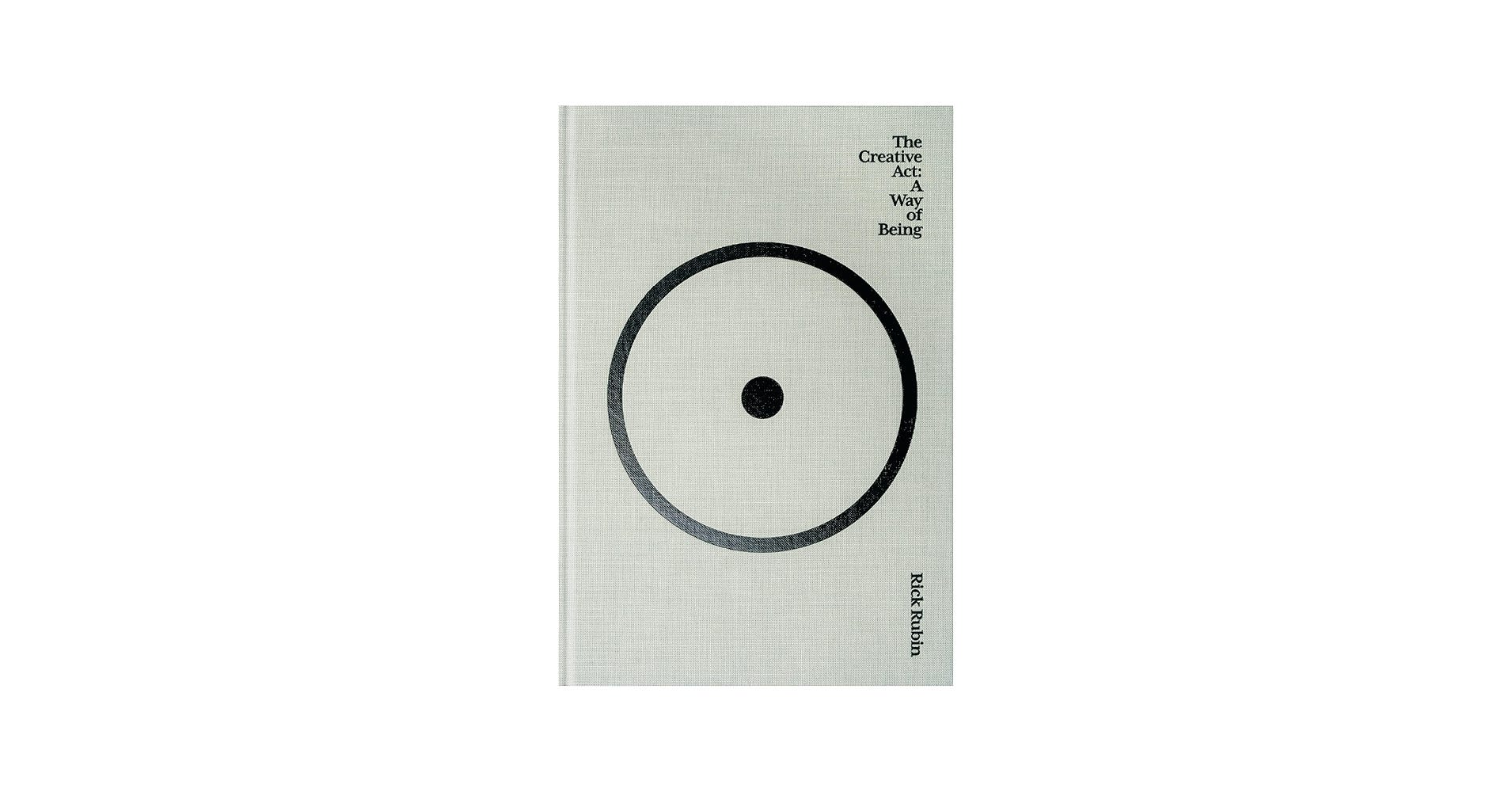
2. The Creative Act: A Way of Being Rick Rubin • 2023
The legendary producer — whose artist roster spans from Beastie Boys to Adele to Johnny Cash — wrote a book that isn’t about music at all. It’s about perception. Rubin treats creativity as attention to what already exists around you, not a struggle to squeeze out something new. Reads like a meditative manifesto: minimal advice, maximum shift in how you see.
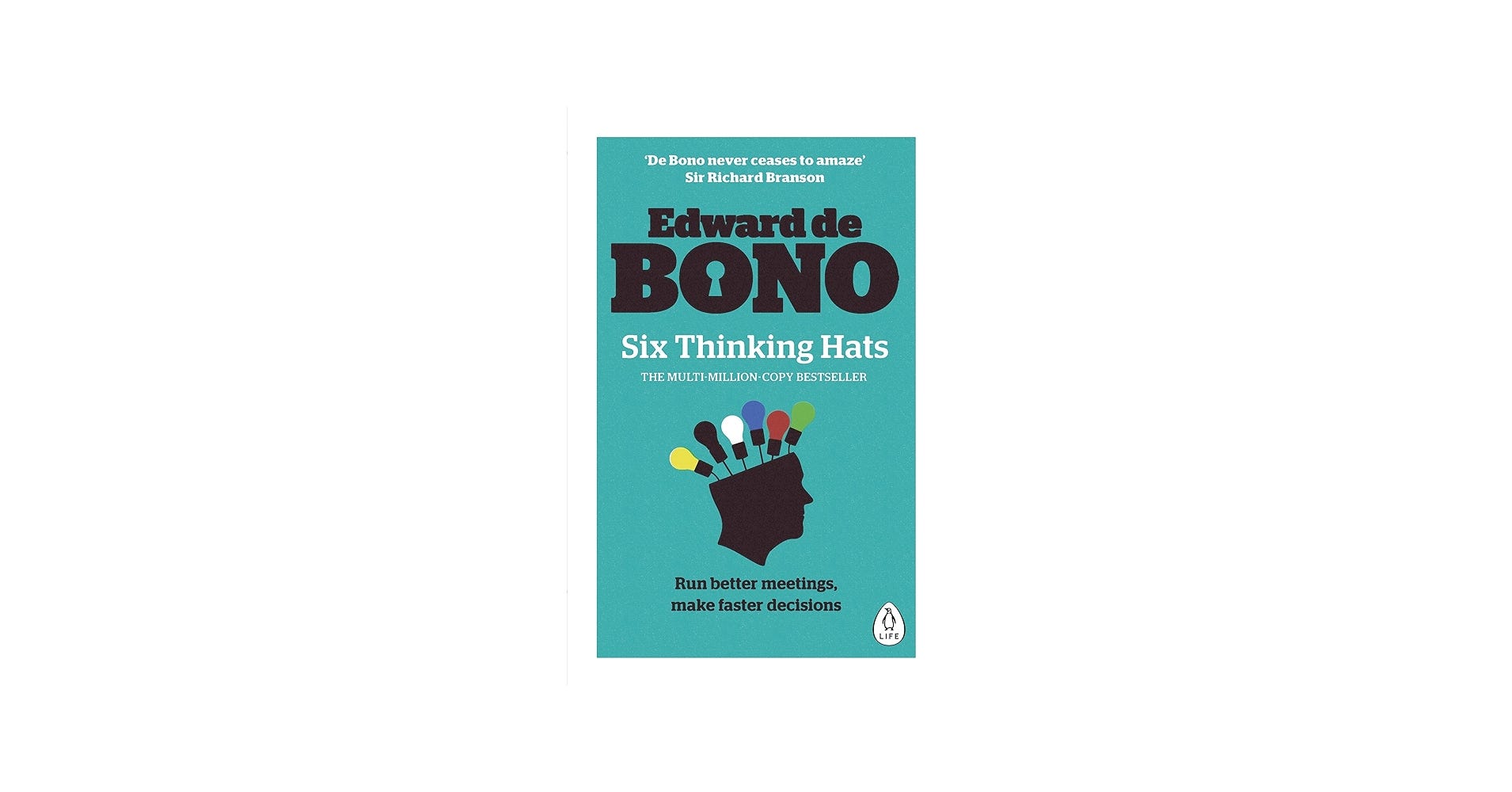
3. Six Thinking Hats Edward de Bono • 1985
The classic parallel-thinking methodology. De Bono proposes splitting discussion into six modes (”hats”): facts, emotions, criticism, optimism, creativity, process management. Instead of chaotic arguments — a structured rotation through perspectives. The ideal framework for teams where analysts and creatives need to find common language. I’ve deployed this in rooms where people didn’t agree on anything and left with a shared plan
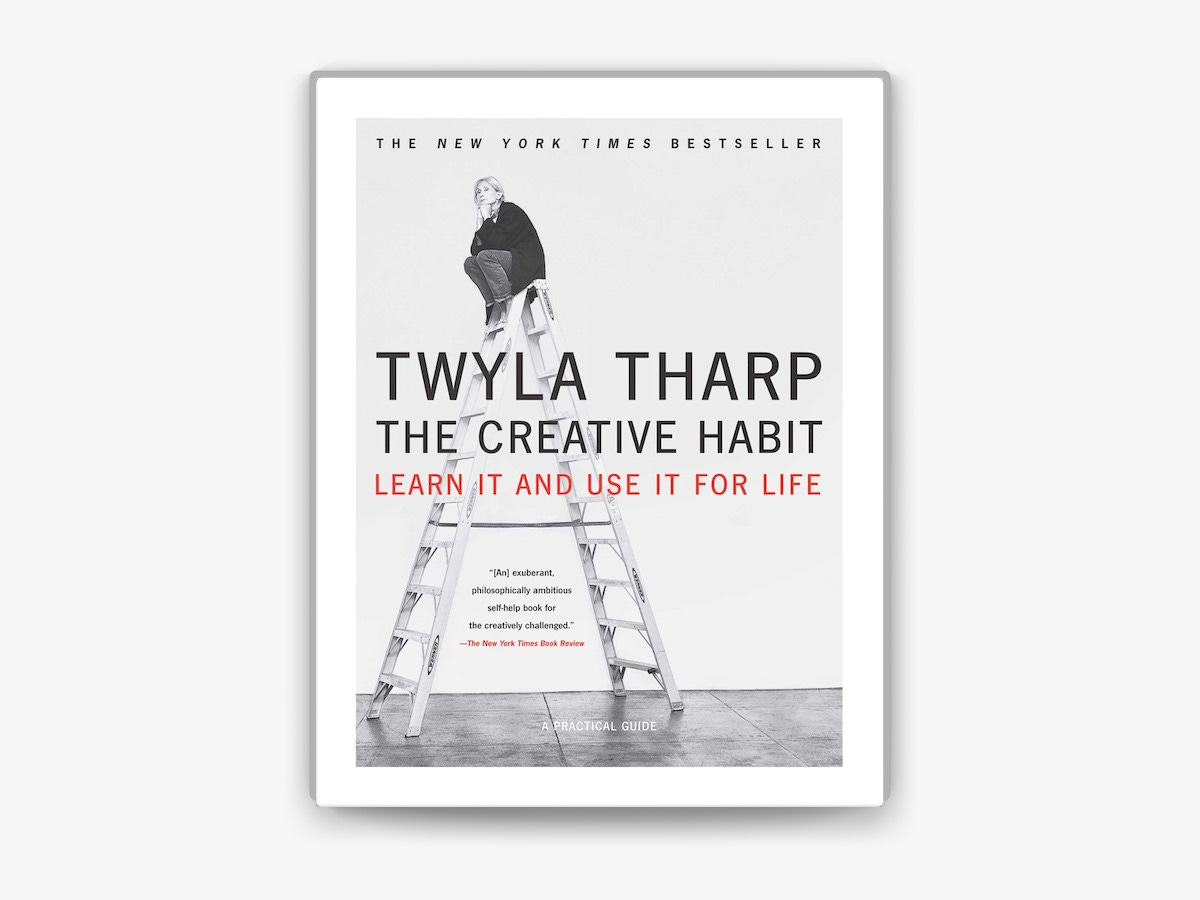
4. The Creative Habit: Learn It and Use It for Life Twyla Tharp • 2003
One of America’s most accomplished choreographers, with 35+ years of practice, proves that creativity is not a flash of inspiration — it’s discipline, ritual, daily practice. 32 concrete exercises for building a creative routine. This book kills the muse myth and replaces it with a system that works for any profession, from choreography to product development
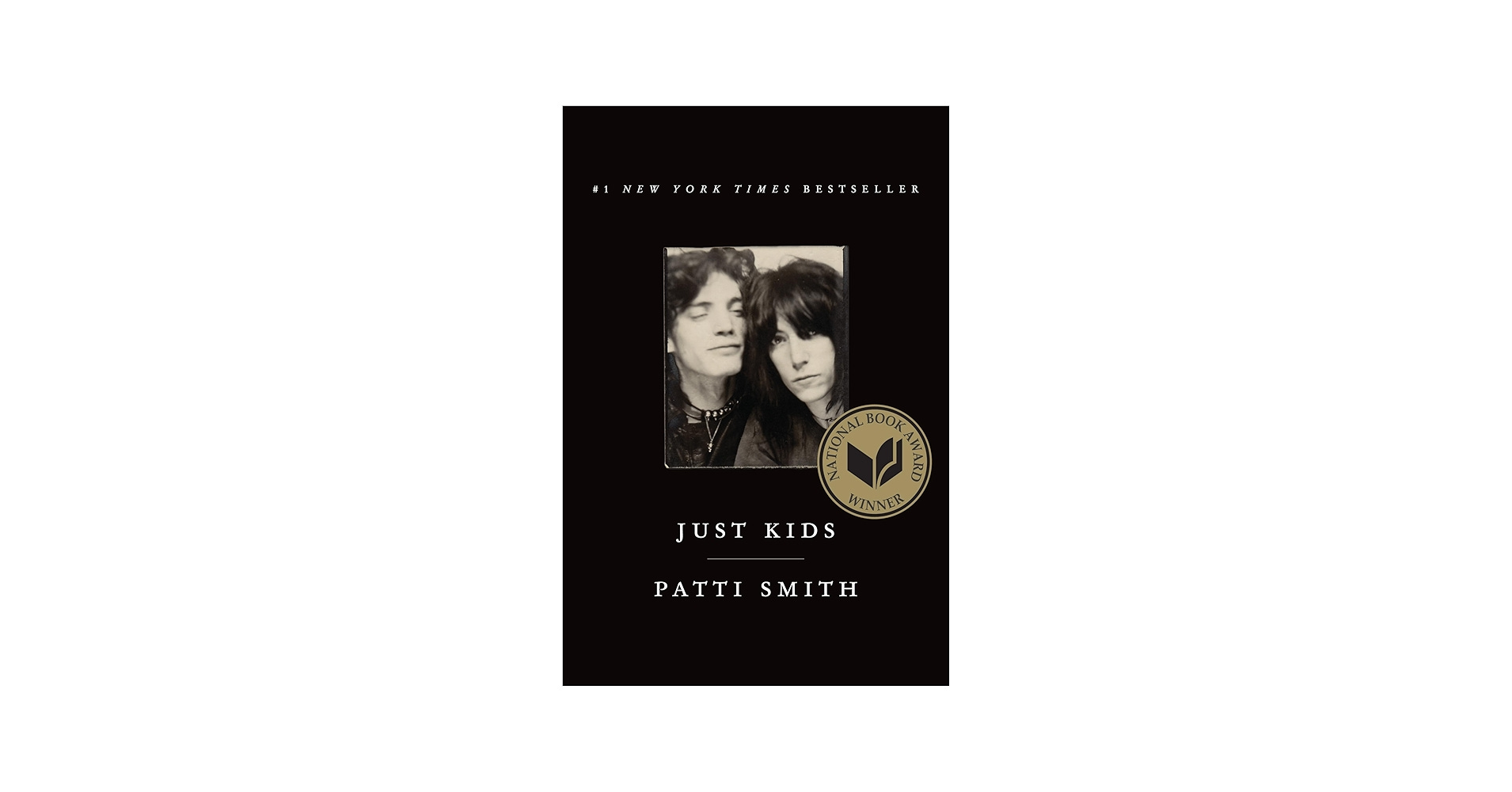
5. Just Kids Patti Smith • 2010
Punk rock legend’s memoir about early years in New York with Robert Mapplethorpe. This isn’t a book about music — it’s a book about how a creative identity forms: through poverty, friendship, and choosing to live for art. National Book Award. Reads like a novel and rewires your understanding of what “being creative” means at its rawest.
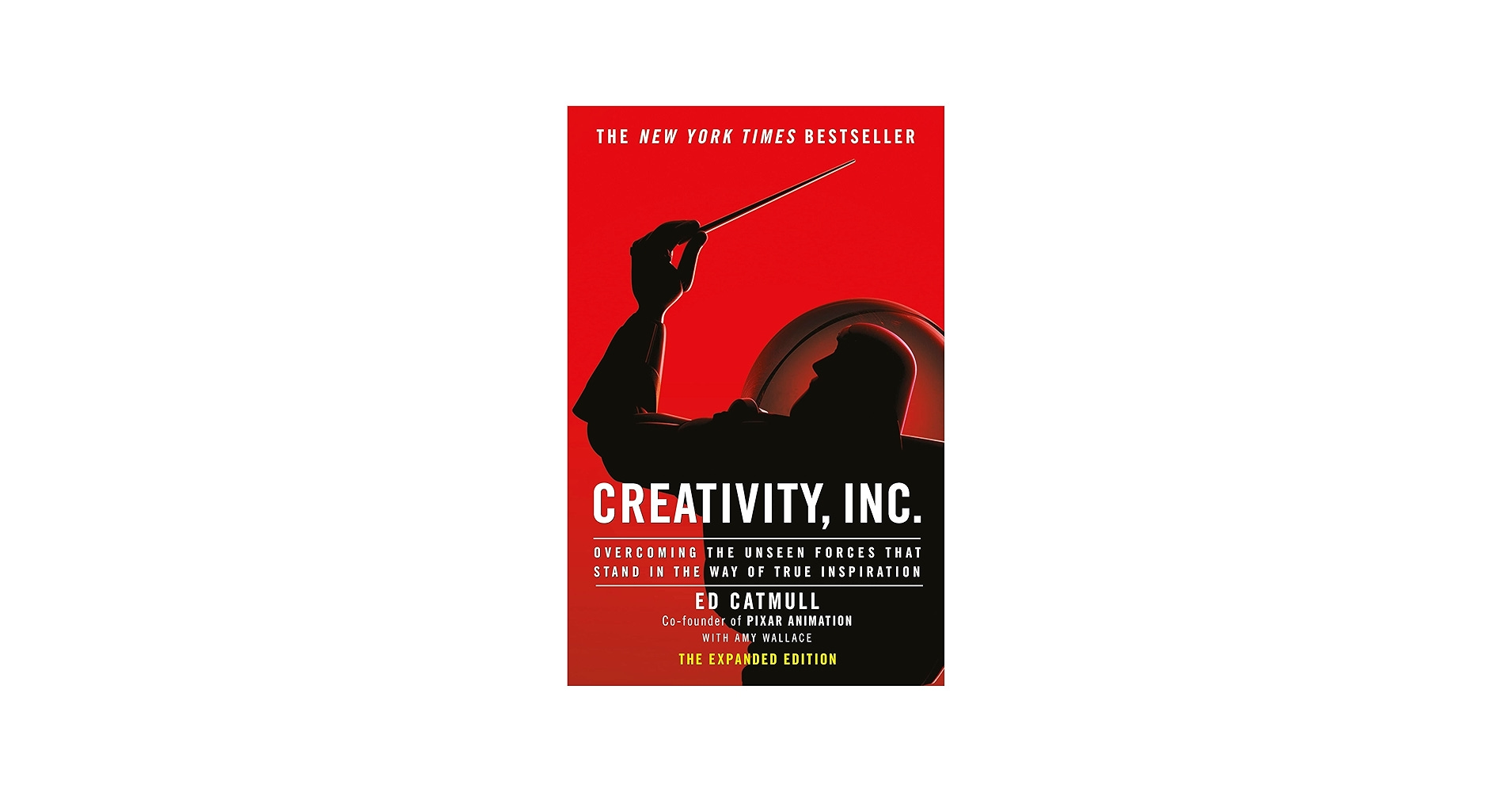
6. Creativity, Inc. Ed Catmull • 2014
The Pixar co-founder reveals how to build an organization where creativity isn’t killed by process. Catmull opens the studio that created Toy Story, Finding Nemo, and Up: how to work with failure, how to give honest feedback, how to protect an idea from corporate erosion. If you’re building a product team, this is the manual.
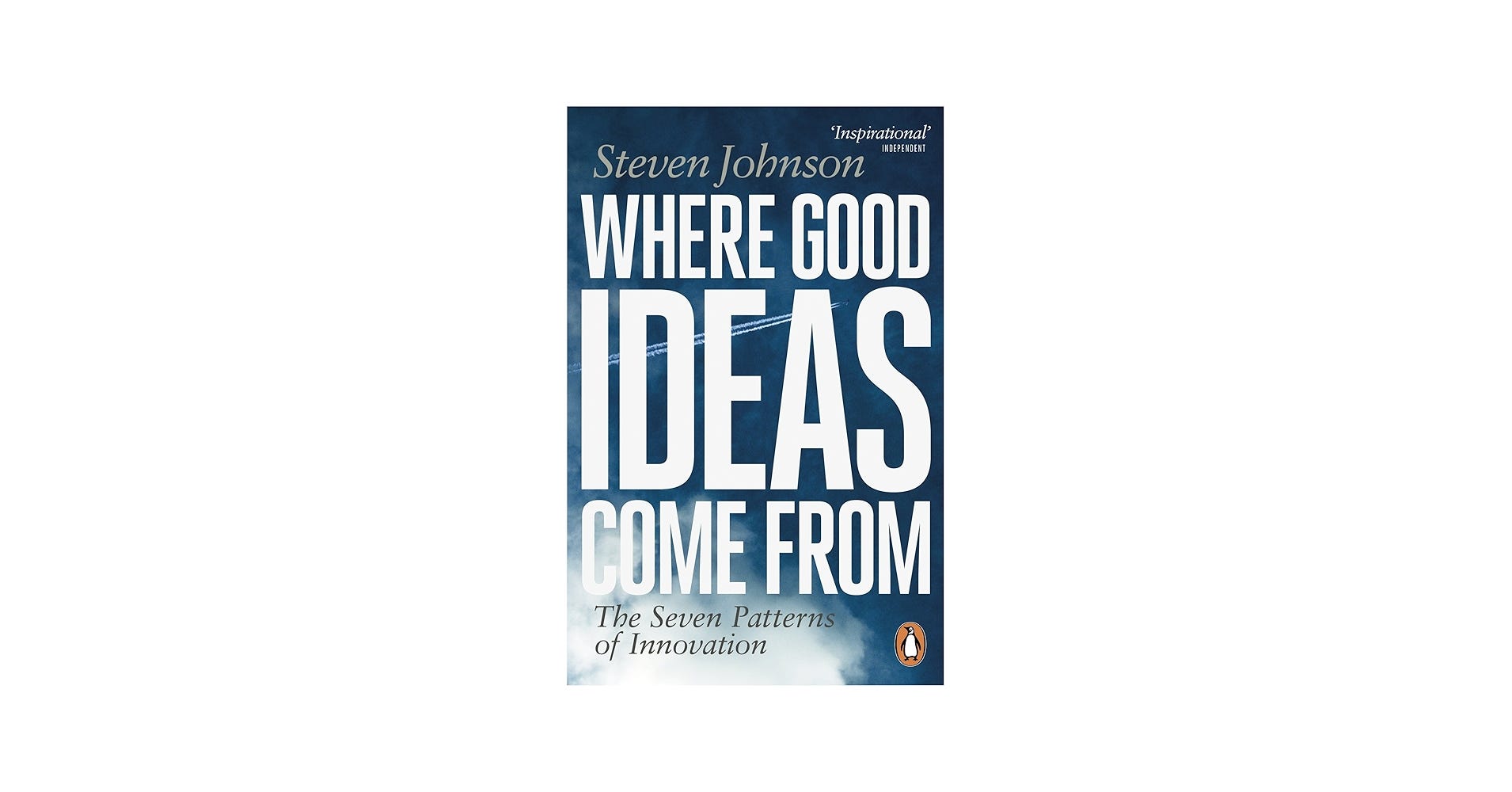
7. Where Good Ideas Come From Steven Johnson • 2010
Johnson traces innovation patterns across centuries and concludes: great ideas rarely arrive as “eureka” moments. They mature over years in a “liquid state,” at the intersection of disciplines and environments. The book for anyone who wants to understand why some ecosystems produce breakthroughs and others produce stagnation.
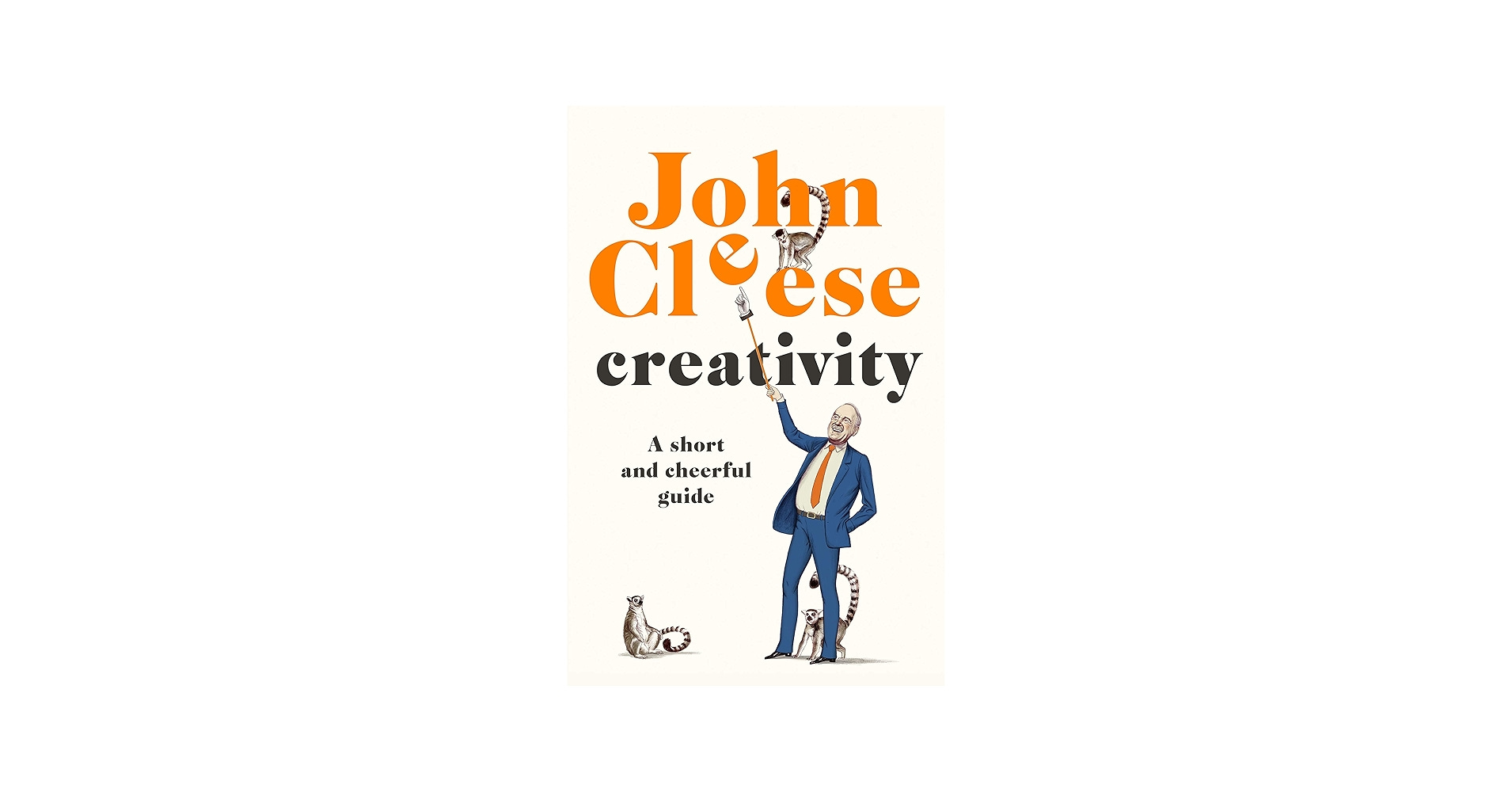
8. Creativity: A Short and Useful Book John Cleese • 2020
The Monty Python founder wrote a small, witty, and surprisingly deep book about how the creative process works. Cleese distinguishes between “open” and “closed” modes of thinking and explains why most people get stuck in the closed one. In one hour of reading — more practical insight than most 300-page guides deliver in a weekend.
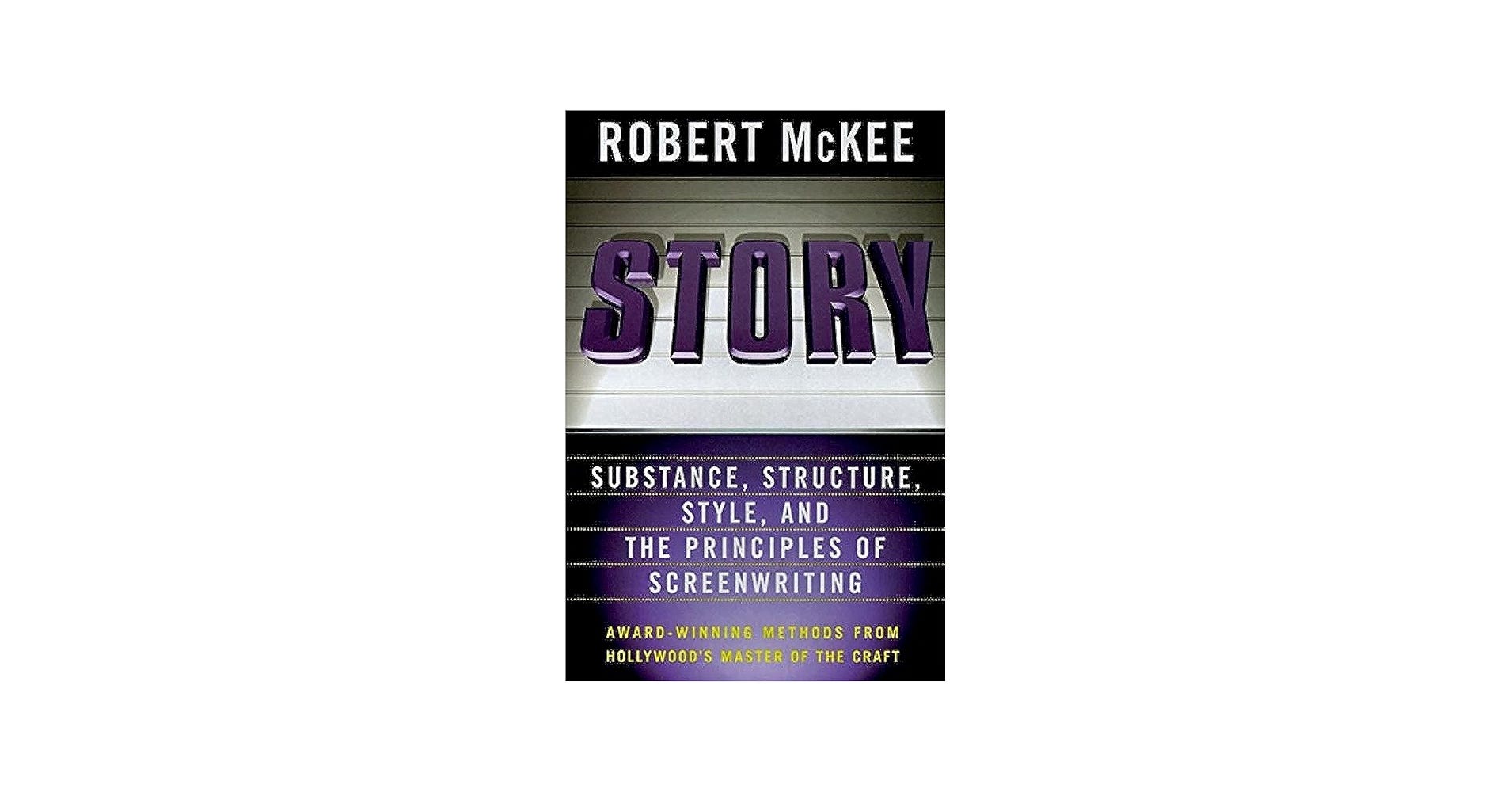
9. Story: Substance, Structure, Style, and the Principles of Screenwriting Robert McKee • 1997
The narrative structure bible that long ago transcended Hollywood. McKee dissects the mechanics of story: conflict, the gap between expectation and reality, character arc. For a product manager, this is a direct framework: every pitch, every user story, every presentation is a narrative. Whoever understands the structure of story controls attention.
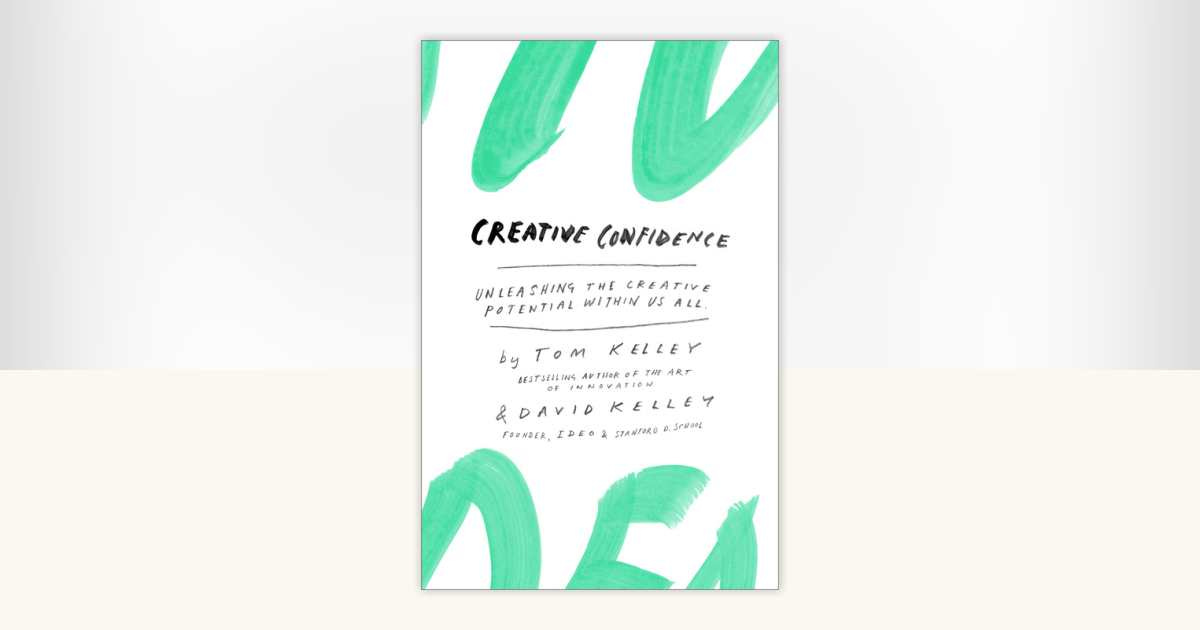
10. Creative Confidence David Kelley & Tom Kelley • 2013
The founders of IDEO and Stanford d.school dismantle the myth of the “creative class”: creative confidence is a skill accessible to everyone. Built around design thinking, the book shows how engineers, managers, and scientists can enter creative mode without an arts degree. Dozens of cases from companies that changed products by changing how their people think.
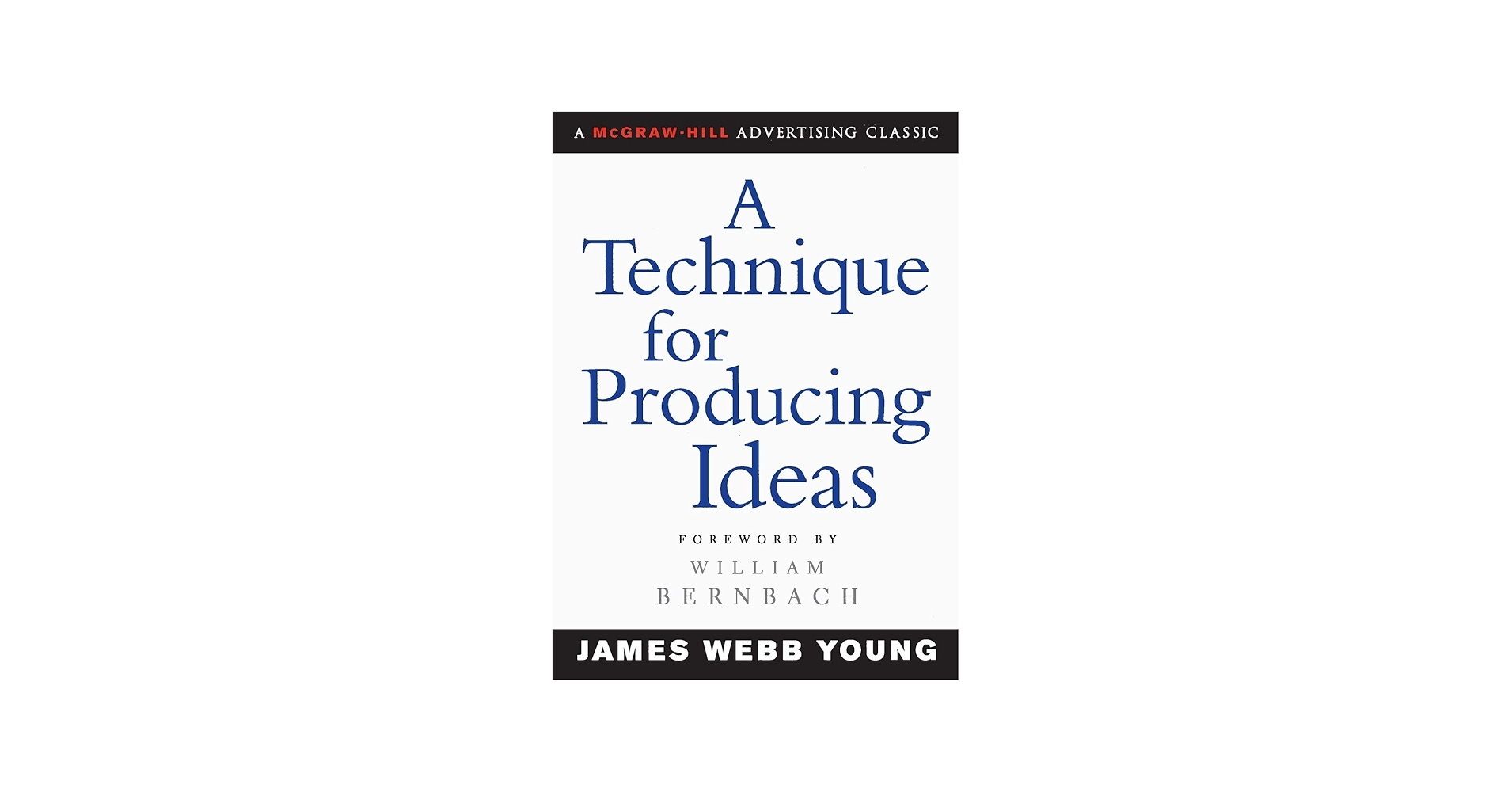
11. A Technique for Producing Ideas James Webb Young • 1939
48 pages, written by an advertising professional in 1939, and still the clearest idea-generation algorithm in existence. Five steps: gather raw material, process it, let go, wait for the “eureka,” bring it to working condition. A micro-book you can read over lunch that will permanently change your approach to brainstorming. The ROI per page is unmatched.
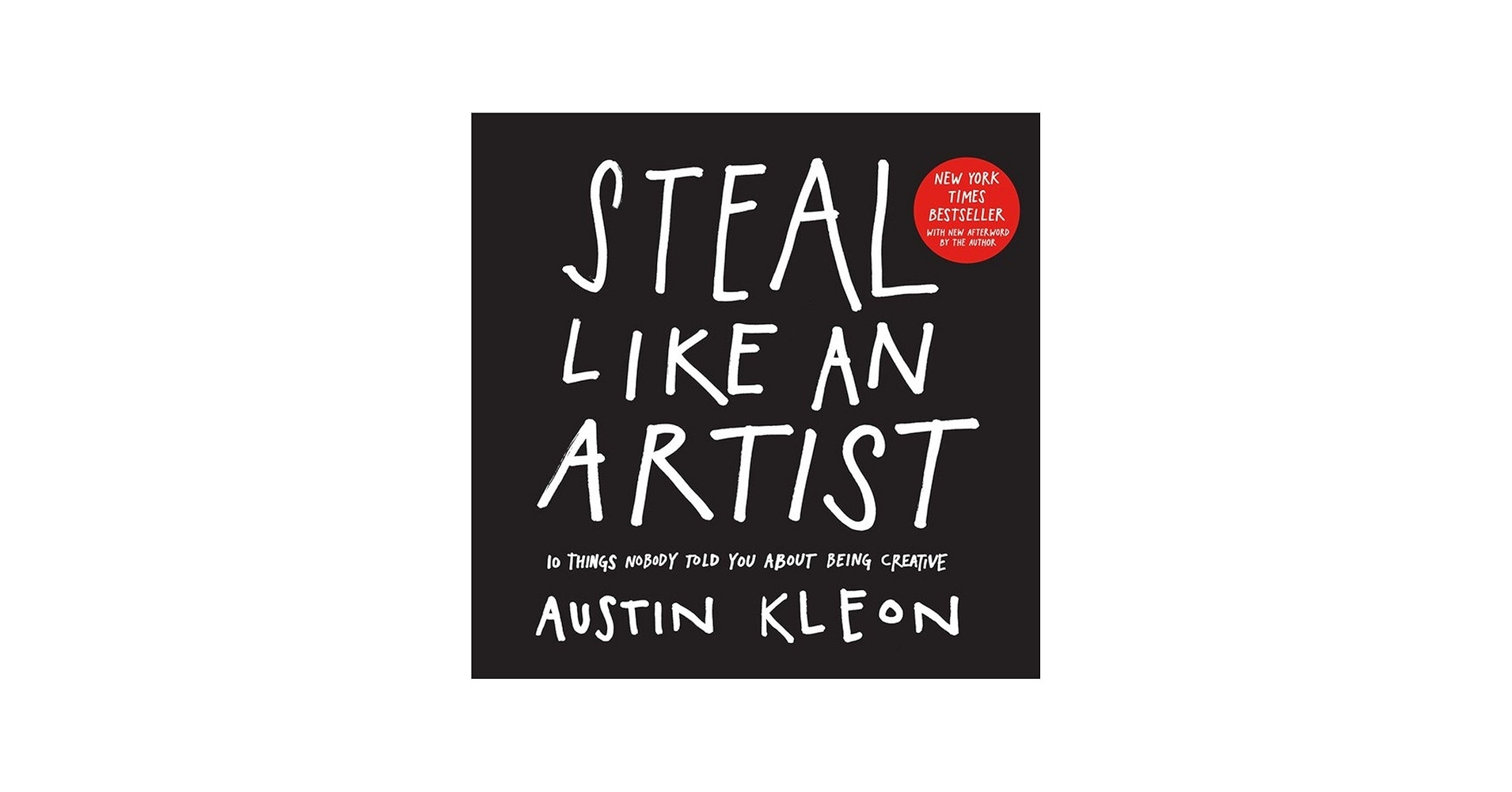
12. Steal Like an Artist Austin Kleon • 2012
Ten things nobody told you about creativity. Kleon argues that nothing original exists — and that this is liberating. Everything new is a remix; the art is in how you combine influences. Short, visual, provocative. The book that makes you want to immediately go make something. Hand it to anyone who says “I’m not creative” and watch what happens.
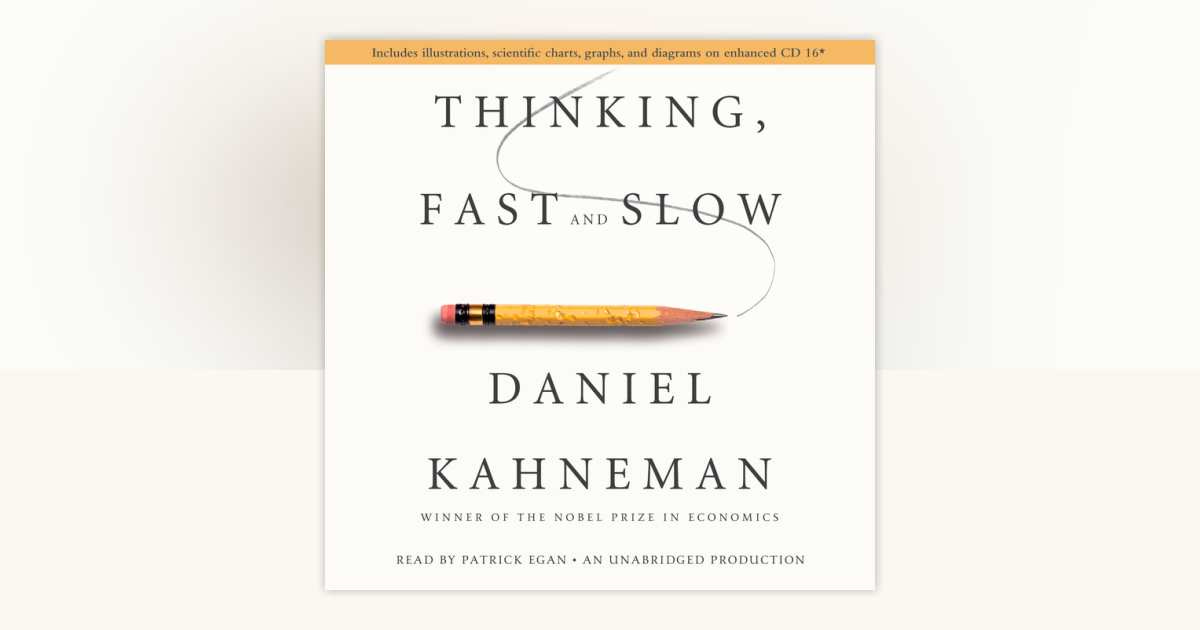
13. Thinking, Fast and Slow Daniel Kahneman • 2011
The Nobel laureate explains two thinking systems: fast intuitive (System 1) and slow analytical (System 2). For creativity, this is the foundation: understanding your own cognitive biases is the first step to better decisions. If you’re making product decisions, read this before everything else on this list.
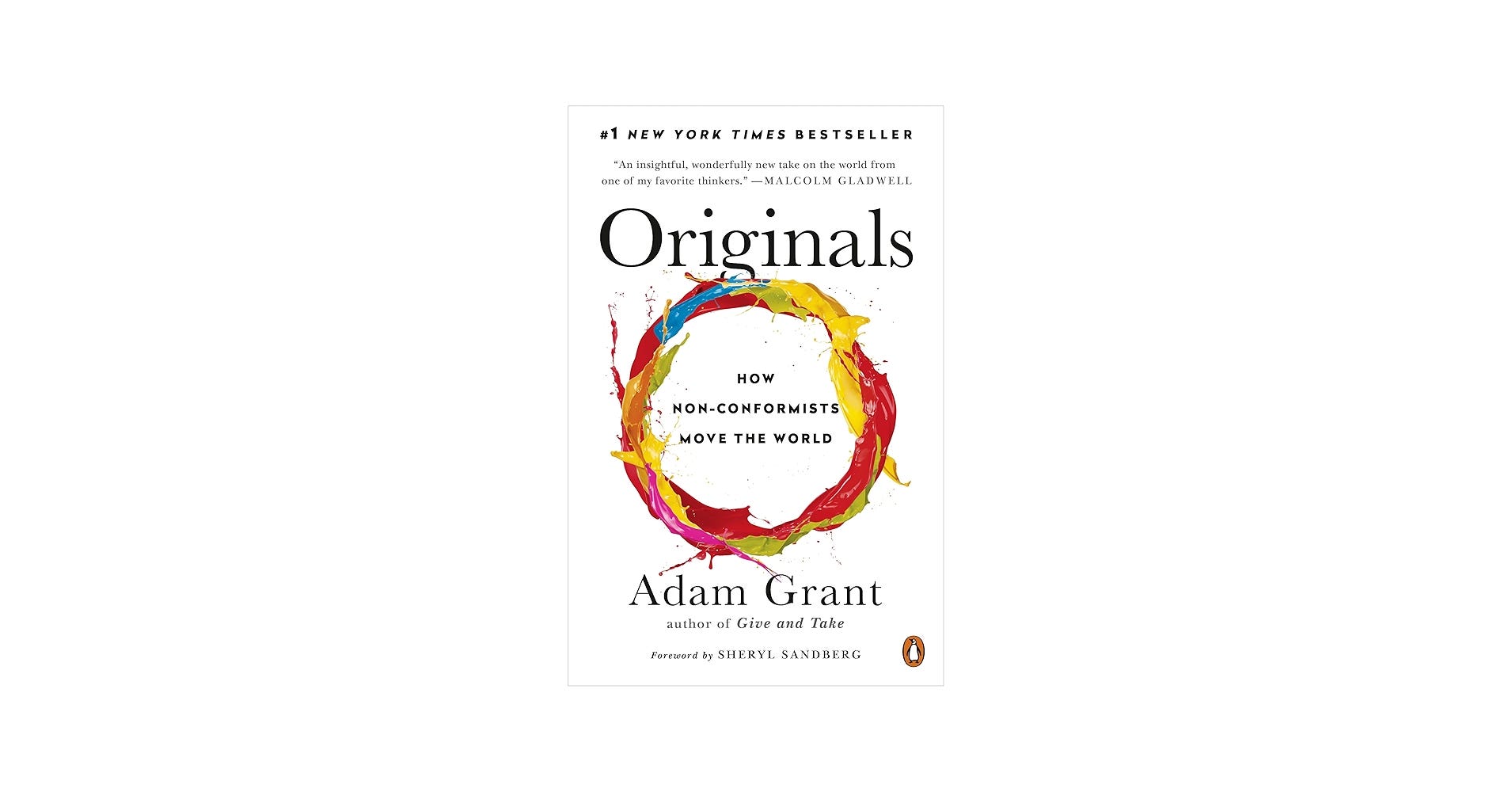
14. Originals: How Non-Conformists Move the World Adam Grant • 2016
The Wharton organizational psychologist examines how people generate and champion new ideas. Grant shatters the stereotype: original thinkers don’t take reckless risks — they strategically manage uncertainty. A book about defending unconventional ideas in organizations where conformity rules. Especially valuable for anyone working inside corporate structures and wondering why their best ideas die in committee.
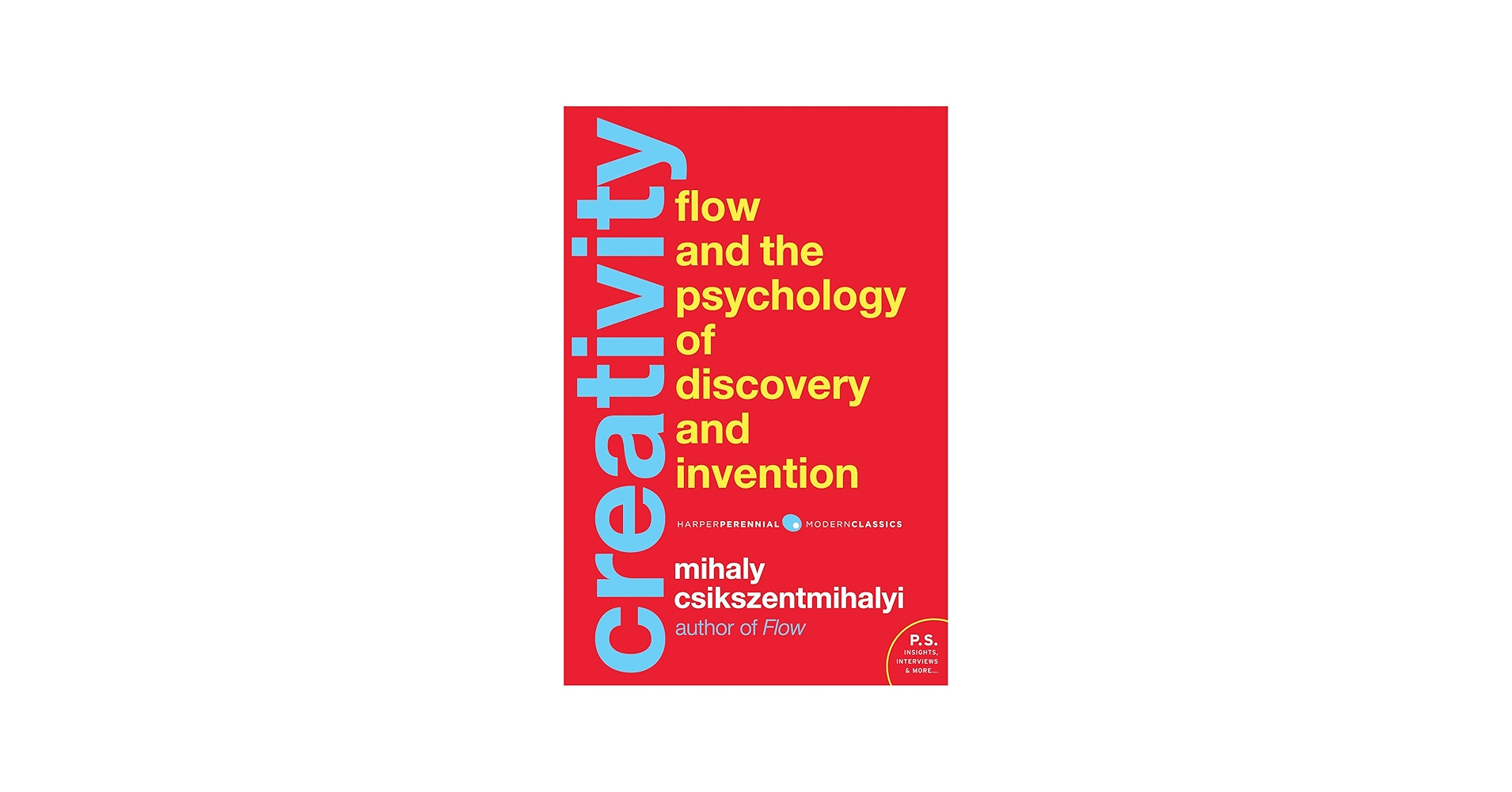
15. Creativity: Flow and the Psychology of Discovery and Invention Mihaly Csikszentmihalyi • 1996
The author of the “flow” concept studied 91 exceptional creative individuals — from Nobel laureates to poets — to understand how creative productivity works. Key conclusion: creativity doesn’t live in the genius’s head — it lives in the system of interaction between person, environment, and knowledge domain. The scientific foundation for everything you’ll read about creativity afterward.
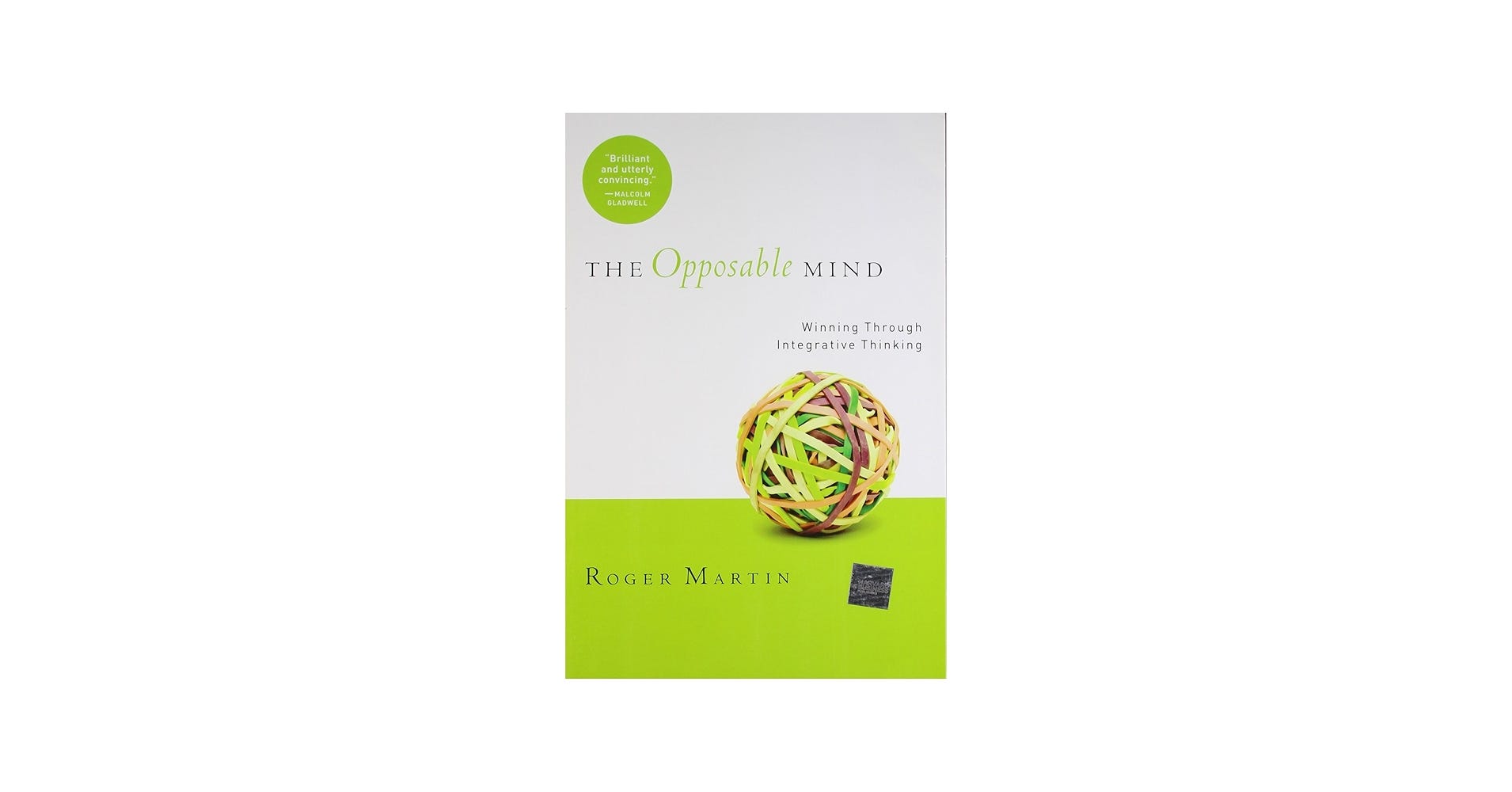
16. The Opposable Mind: How Successful Leaders Win Through Integrative Thinking Roger Martin • 2007
The Rotman School of Management dean studied 50+ successful leaders and found a common thread: they don’t choose between two opposing ideas — they hold both simultaneously and synthesize a third, better one. Integrative thinking is the antidote to binary “either/or.” The book for anyone who wants to move beyond trade-offs and start creating options that shouldn’t exist but do.
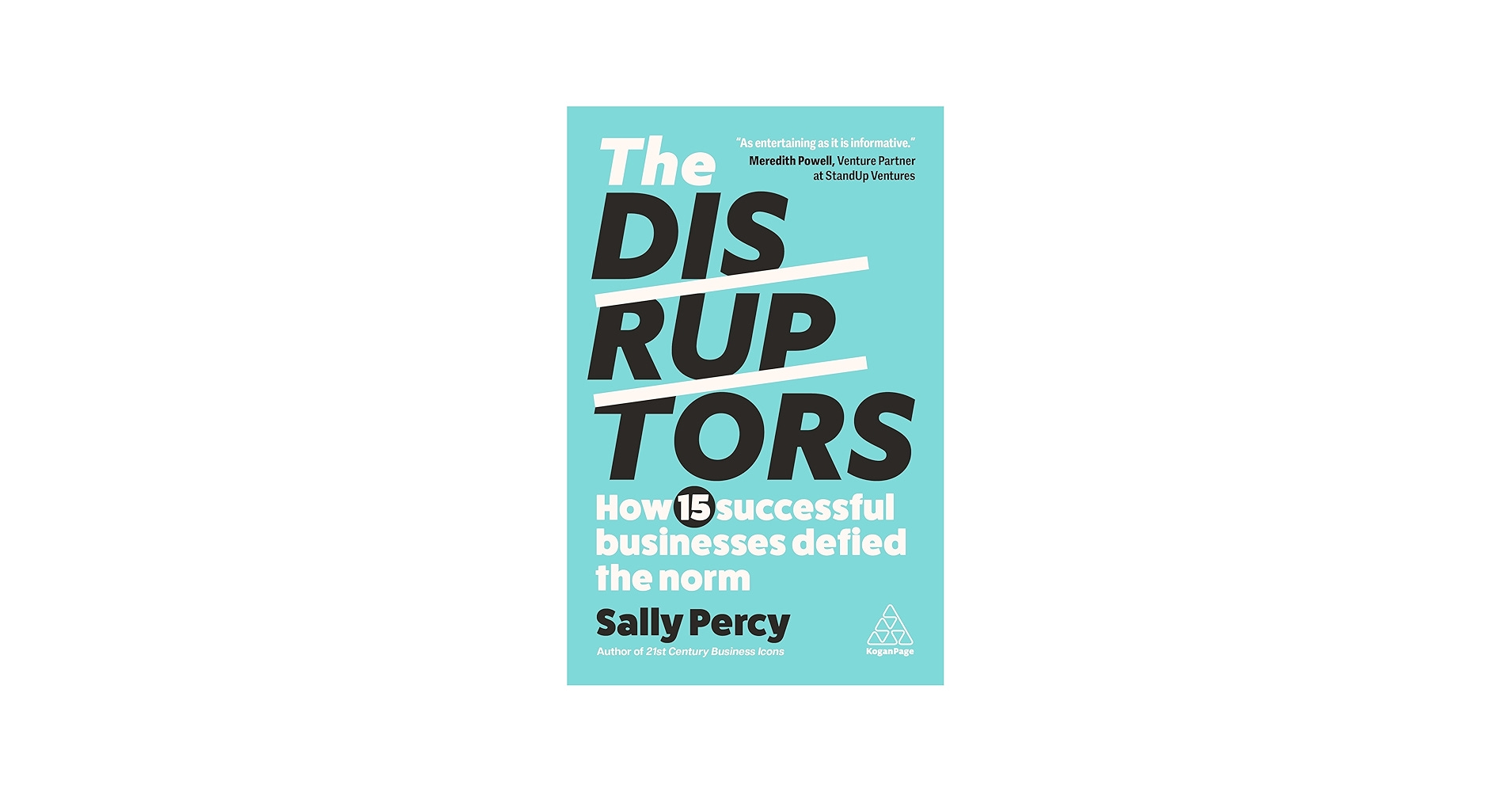
17. The Disruptors: How 15 Successful Businesses Defied the Norm Sally Percy • 2024
A fresh analysis of 15 companies — from Spotify to Nintendo, from TikTok to A24 — that broke the rules of their industries. Percy, a Forbes business journalist, dissects the anatomy of disruption: why some businesses conform while others deliberately choose risk and redefine the market. Shortlisted for Business Book Awards 2025. Read it to understand the difference between “interesting idea” and actual structural change.
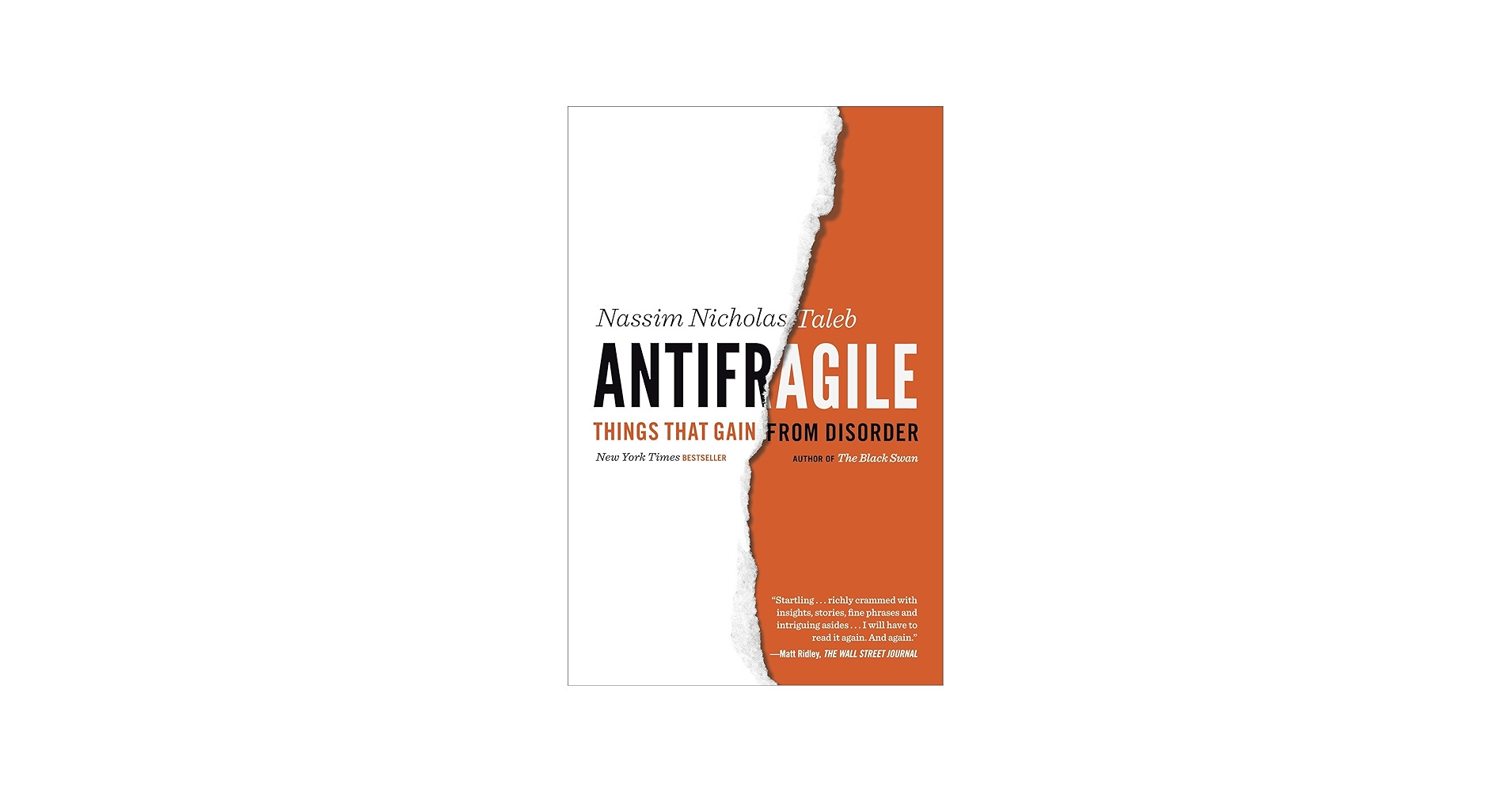
18. Antifragile: Things That Gain from Disorder Nassim Nicholas Taleb • 2012
Taleb introduces the concept of “antifragility” — systems that don’t just withstand stress but get stronger from it. This is the philosophical foundation for thinking about innovation: instead of defending against uncertainty, learn to feed on it. For product managers and entrepreneurs — an operating system upgrade for how you process chaos.
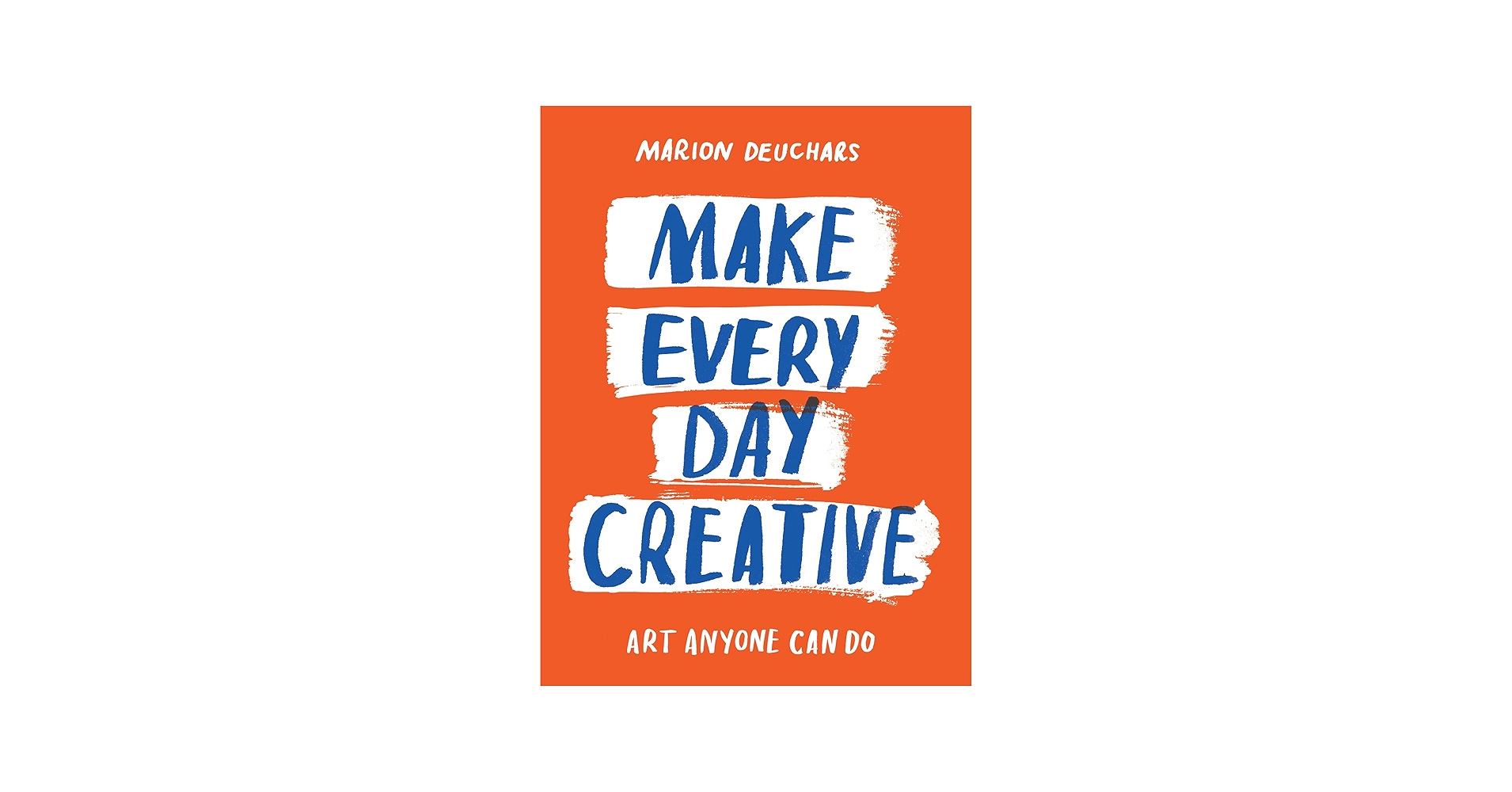
19. Make Every Day Creative Marion Deuchars • 2024
Award-winning illustrator and Royal Designer for Industry, Deuchars created something deceptively simple: 100+ projects and exercises that make creativity tactile, physical, screen-free. Hand printing. Drawing with sticks. Painting with a mop. This isn’t “art instruction” — it’s a manual for rebuilding your relationship with making things by hand. In an era where most creative work happens through a screen and an LLM prompt, this book is a necessary counterweight. Sometimes the fastest way back to your best thinking is through your hands, not your keyboard.
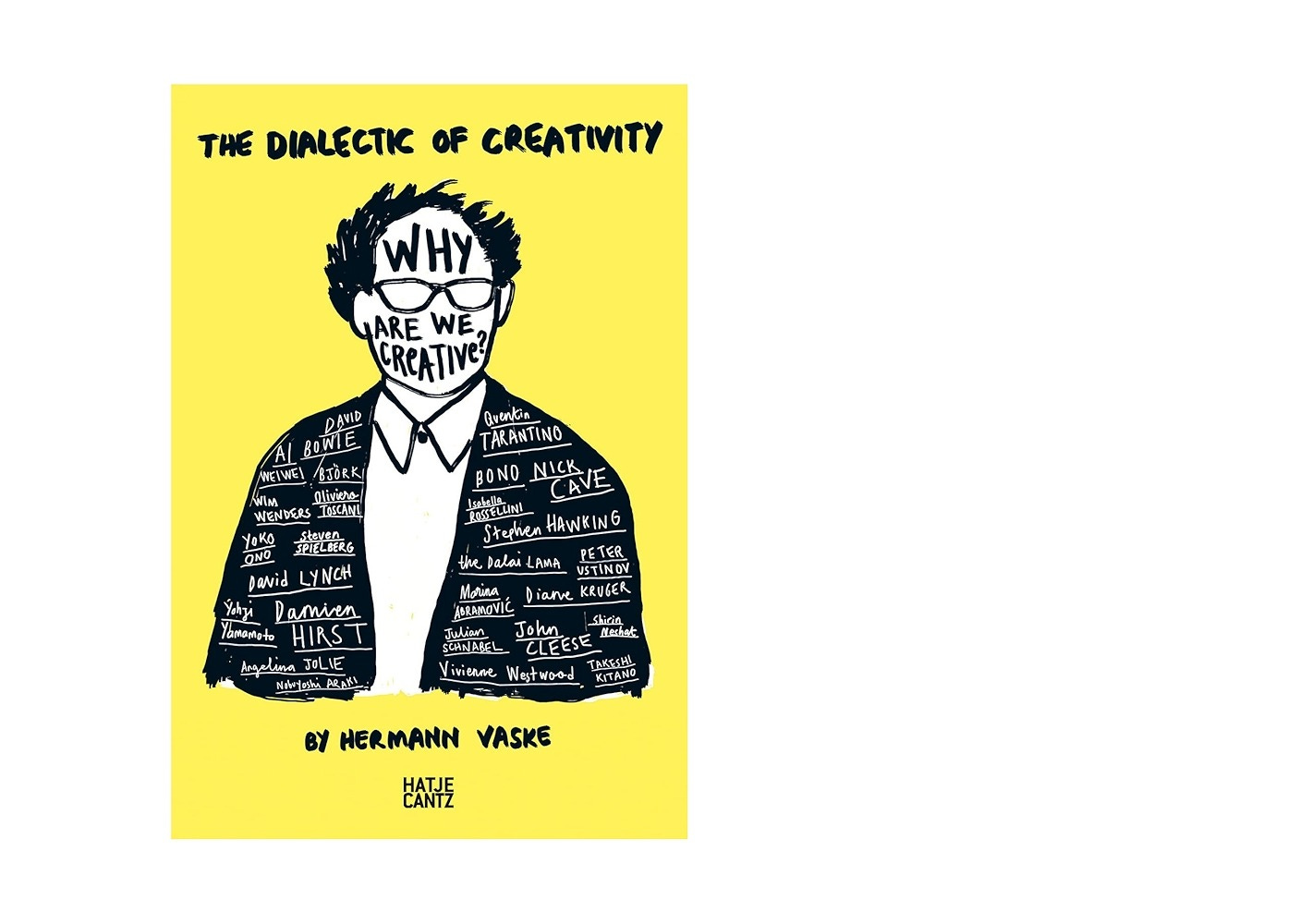
20. The Dialectic of Creativity Hermann Vaske • 2022
For over 30 years, filmmaker and producer Vaske has asked one question to some of the most influential creatives of our time: “Why are you creative?” This book compiles those conversations — with Marina Abramovic, David Bowie, Björk, Zaha Hadid, David Hockney, Jim Jarmusch, Damien Hirst, Yoko Ono, and dozens more. But the real value isn’t the answers. It’s the structure: Vaske maps both the stimuli of creativity (spirituality, sex, money, fear, ambition) and its killers (censorship, bureaucracy, compromise, distraction). And then makes the sharpest observation of all: often, it’s the blockages that make creativity thrive. The threats are the fuel. A dialectical synthesis of opposites. This book pairs perfectly with Taleb’s Antifragile — one gives you the philosophy, the other gives you the human testimony.
The shelf is a starting point, not a finish line
Twenty books. 85 years between the oldest and newest. Advertising, choreography, neuroscience, punk rock, Pixar, crystal-packing lattices of human experience.
But here’s the thing I need to say clearly, because I’ve spent enough years teaching to know the pattern: some of you will read this list and feel a dopamine hit of “I should read all of these.” You’ll screenshot it, save it, maybe order two. And then the list itself becomes the accomplishment. The curator’s trap.
Don’t fall for it.
These are my 20. They reflect my trajectory — 17 years in advertising agencies, a co-founded academy, a consulting practice, and now a master’s degree in AI Product Management where I’m learning to think about creativity from the other side of the stack. Your 20 will be different. Your “textbook” might be a podcast, a conversation with a colleague, a GitHub repo, a failed project you dissected at 2 AM.
The medium doesn’t matter. What matters is whether it changed how you generate and evaluate ideas — not just once, but repeatedly, on command, under pressure, when the brief is bad and the deadline is real.
That’s the test. Not “did it inspire you.” Inspiration is a sugar rush. The question is: did it give you a tool you can reach for on a Tuesday morning when you’ve got nothing?
Creativity is not inspiration. It’s discipline. And the best way to develop that discipline is to steal an hour from scrolling and give it to one of these books — or to whatever your equivalent turns out to be.
More on the system behind the discipline — the protocols, the warm-ups, the frameworks that actually make creative thinking repeatable — coming in future editions.
Sergey Vovk is the founder of VOVK (Creative) Consulting and co-founder of Kyiv Academy of Media Arts (KAMA). He writes about what happens when the creative industry learns to speak machine at aibubbledotcom.com.